Real cost of hiring a rubbish skip in Kentish Town
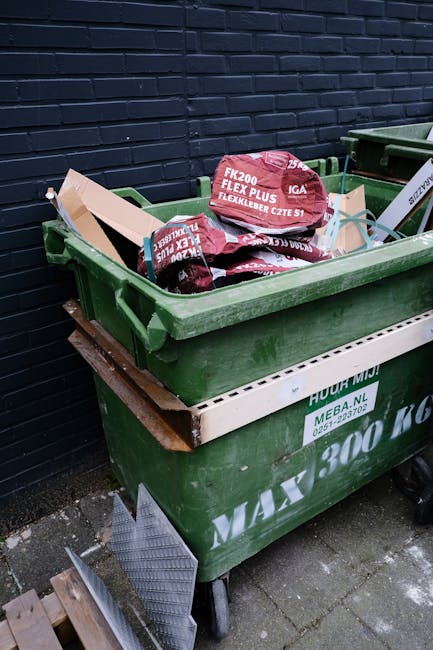
If you are trying to work out the real cost of hiring a rubbish skip in Kentish Town, you are probably balancing three things at once: price, convenience, and the hassle of getting rid of waste properly. Fair enough. A cheap quote can look great on paper, but once you add permits, restricted access, overfilling charges, or a skip that sits outside longer than expected, the final bill can creep up fast.
This guide breaks the cost down in plain English. You will see what affects the price, when a skip makes sense, when it does not, and how to avoid paying more than you need to. We will also compare skips with other waste removal options so you can make a sensible choice for a flat clear-out, garden job, renovation, or post-move purge. Truth be told, the cheapest option is not always the one with the lowest headline price.
- Why the real cost matters
- How skip hire pricing works
- Benefits of hiring a skip
- Who it suits best
- Step-by-step guidance
- Expert tips to keep costs down
- Mistakes that push the price up
- Useful tools and recommendations
- Compliance and best practice
- Options and comparison
- Real-world example
- Practical checklist
- Conclusion
- Frequently asked questions
Why Real cost of hiring a rubbish skip in Kentish Town Matters
The real cost of hiring a rubbish skip in Kentish Town matters because local conditions change the maths. Narrow streets, parking pressure, and access limitations can all affect whether a skip is the right choice. In some parts of Kentish Town, placing a skip outside a property is straightforward. In others, it is awkward, noisy, and more expensive than expected. That matters if you are budgeting for a house clearance, builder's waste, or just finally dealing with that heap in the shed.
One common mistake is focusing only on the advertised size and daily rate. The real cost includes everything needed to make the job actually happen: delivery, collection, possible permits, hire duration, waste type, loading limits, and sometimes extra labour if the skip has to be placed in a tricky spot. A quote that seems simple can become not-so-simple once you ask, "Where exactly will the skip go?"
It also matters because waste decisions affect your time. A skip can be convenient if you have a lot of bulky waste and enough space to load it at your own pace. But if you are clearing a flat, managing stairs, or dealing with mixed items, a different service may be better value overall. Sometimes the real cost is not the money. It is the weekend you lose moving old bits of furniture in and out, back and forth, in that lovely British drizzle.
If you want to compare skip hire against broader waste removal solutions, it helps to look at the full picture rather than one line on an invoice. Pages such as waste removal and pricing and quotes can help you think through the service level and cost structure before you commit.
How Real cost of hiring a rubbish skip in Kentish Town Works
Skip hire usually works in a fairly standard way, though the details can vary by supplier. First, you choose a skip size based on the amount and type of waste. Then you decide how long you need it for, where it will sit, and whether the waste is general rubbish, garden waste, builders' rubble, or something more specialised. After that, the company delivers the skip and collects it once it is full or your hire period ends.
The final price is shaped by a handful of factors:
- Skip size - larger skips cost more, but not always proportionally more.
- Hire period - longer hire usually means a higher total cost.
- Waste type - heavy inert waste, mixed waste, or restricted items can change the price.
- Location and access - tight access can make delivery harder.
- Permit needs - if the skip goes on a public road, a permit may be needed.
- Overfilling or prohibited waste - these can trigger extra charges.
To be fair, most reputable providers try to be clear upfront. But "clear" only helps if you ask the right questions. For example: does the quote include collection? Is VAT included? Is the permit included? What happens if the skip sits half full for an extra week because the decorator has not finished? Small questions, big cost differences.
For some jobs, especially those involving a loft, garage, or bulky household items, a skip may not be the simplest route at all. You might find it more practical to use dedicated services such as loft clearance, garage clearance, or house clearance if the waste includes a lot of mixed items.
Key Benefits and Practical Advantages
When a skip is the right fit, the benefits are obvious. You get a fixed container on site, you can load it at your own pace, and you do not have to make repeated runs to a tip or wait around for a collection slot. For builders and DIYers, that can save a lot of time. For home clear-outs, it can keep the mess contained rather than spreading across the driveway and front path.
Here are the practical upsides in a bit more detail:
- Convenience - waste stays in one place.
- Flexibility - you can fill it over several days.
- Efficiency - useful for projects with steady waste output.
- Cleaner site - less clutter around the property.
- Simple planning - one booking, one drop-off, one collection.
There is also a mental benefit. Once the skip arrives, the job feels real. It sounds silly, but many people say that is the moment the project gets moving. You see the pile shrinking and think, right, let's get this done. That matters more than it sounds.
If you are dealing with awkward furniture or mixed household items, it may be worth comparing skip hire with furniture disposal or furniture clearance. The right choice depends on how much lifting you want to do yourself.
Who This Is For and When It Makes Sense
Skip hire tends to suit people who have a lot of waste, enough space to store a container, and time to load it properly. That includes homeowners doing a refit, landlords clearing out after a tenancy, tradespeople generating regular waste, and gardeners dealing with soil, branches, and old fence panels. It can also work well for office and business clear-outs if the waste is predictable and access is straightforward.
It makes most sense when:
- you have bulky or mixed waste to dispose of;
- the job will take more than a single day;
- you have safe, practical space for a skip;
- you are happy loading the waste yourself;
- you want a fixed container on site rather than a collection-based service.
It may make less sense if you live in a flat with limited access, if parking is tight, or if the waste is mostly furniture, bags, or household clutter that could be removed in one visit. In those cases, services such as flat clearance, home clearance, or office clearance can sometimes be easier and better value.
And yes, some people do hire a skip for "a few bits and pieces" and then realise they have basically paid for a giant metal box to hold three broken chairs. It happens.
Step-by-Step Guidance
If you want to estimate the real cost properly, work through the process in order. Skipping steps is usually how surprise charges sneak in.
- List the waste types
Separate general rubbish, wood, soil, rubble, metal, furniture, and anything unusual. Different waste streams can affect the quote. - Estimate volume honestly
Be realistic. People often underestimate how much waste they have because it is flattened in the garage and looks smaller than it is. Once bags are opened, everything grows. - Check access
Think about width, overhead cables, gate clearance, parking space, and whether the skip lorry can safely reach the property. - Decide where the skip will sit
If it stays on private land, the process is usually simpler. If it needs to go on the road, you may need a permit and extra time to arrange it. - Ask what is included
Delivery, collection, permit, VAT, and hire duration should all be clear before you book. - Confirm restricted items
Batteries, plasterboard, tyres, fridges, paint, chemicals, and other special items may not be allowed or may cost extra. - Plan your loading order
Heavy waste goes first, lighter waste on top, and nothing should sit above the rim.
If you are also comparing different waste services, reviewing a provider's recycling and sustainability approach can be genuinely useful. It tells you whether waste is likely to be sorted responsibly instead of simply dumped and forgotten about.
Expert Tips for Better Results
A good quote is only half the battle. The other half is keeping the final bill sensible. Here are the habits that tend to save money without cutting corners.
- Choose the smallest size that comfortably fits the job. Oversizing is one of the easiest ways to overspend.
- Book for the right length of time. Too short and you pay for a rushed extension; too long and you pay for days you do not need.
- Bundle the work. If you know you are clearing a loft, garage, and old furniture, do it in one planned cycle rather than three separate mini-jobs.
- Keep prohibited waste separate. This avoids collection delays and awkward surcharges.
- Load efficiently. Break down flat-pack timber, empty boxes, and soft items so you use the container properly.
- Ask about weight limits. Heavy waste can be the hidden budget killer, especially with soil, rubble, or tiles.
Small aside, but worth saying: if you find yourself "just putting a bit more on top," stop there. Overfilled skips are a classic source of trouble, and they are also annoying for the collection crew. Nobody wants a wobbly mountain of broken fencing sliding off in the street.
If the job is more of a full-property clear-out than a rubbish pile, it can be smarter to look at a broader clearance option, then compare it against skip hire. Start with the service page for about us if you want to understand the sort of support a local clearance company can provide, and use contact us when you are ready to talk through the details.
Common Mistakes to Avoid
The real cost of hiring a rubbish skip in Kentish Town often goes up because of avoidable mistakes. The good news? Most of them are easy to sidestep once you know what to look for.
- Assuming the lowest quote is the full price. Always check what is included.
- Ignoring access problems. A cheap skip becomes expensive if delivery is delayed or impossible.
- Booking the wrong size. Too small means extra collections or a second skip; too large means wasted money.
- Mixing restricted items with general waste. That can cause extra charges or refusal of collection.
- Forgetting the permit. If it is needed and not arranged, the whole plan can stall.
- Overestimating how much time you will have. Renovation jobs always seem to take a little longer. Always.
There is also a human mistake: ordering the skip before doing the sorting. That seems efficient at first, but it usually leads to wasted space. Sort first, then book. Much easier.
If you are dealing with trade waste, builders waste clearance may be a more direct option than a skip, especially where the site is tight or the waste needs to be removed quickly. For recurring commercial needs, business waste removal can be worth comparing too.
Tools, Resources and Recommendations
You do not need fancy equipment to make a sensible choice, but a few simple tools help a lot:
- Room-by-room waste list - useful for estimating the volume honestly.
- Basic tape measure - helps with access and container placement.
- Phone photos - surprisingly helpful when requesting a quote.
- Notepad or checklist - good for separating waste types before booking.
- Calendar reminder - so the skip does not overstay and create extra charges.
For pricing clarity, the most useful page on the site is pricing and quotes. It is worth checking before you make assumptions based on a headline figure from memory or a neighbour's experience from six months ago. Prices move, circumstances change, and the job in front of you is never quite the same.
If your priority is reassurance around service quality and handling, you can also review insurance and safety and the company's health and safety policy. Not glamorous, but very relevant when waste needs moving in shared spaces or near tight entrances.
Law, Compliance, Standards, or Best Practice
Skip hire and waste removal in the UK should always be handled carefully. As a customer, you are not expected to know every detail, but you should understand the basics well enough to avoid trouble. That means using a provider that handles waste responsibly, checking whether a permit is needed for roadside placement, and making sure restricted materials are dealt with properly.
Best practice includes:
- Using a reputable waste carrier so your rubbish is not mishandled.
- Keeping waste separated where practical, especially for heavy or specialist items.
- Following placement rules if the skip goes on public land.
- Not placing hazardous items in a general skip unless the provider confirms they are allowed.
- Checking the terms before booking so you understand charges and responsibilities.
There is also a straightforward commercial trust issue here. If a business is transparent about terms and conditions and explains how waste is handled, that is usually a good sign. If everything is vague, the final cost is more likely to be messy too.
For readers who care about broader social and operational standards, pages like modern slavery statement and the company's wider policy pages can be part of your due diligence. Not because you need a law degree to hire a skip, but because good operators tend to be organised across the board.
Options, Methods, or Comparison Table
Sometimes the real answer is not "How much does a skip cost?" but "Is a skip the best-value way to get this waste gone?" Here is a simple comparison.
| Option | Best for | Typical upside | Possible downside |
|---|---|---|---|
| Rubbish skip | DIY projects, garden waste, building waste, bulk clear-outs | You load at your own pace and keep waste on site | Needs space, can involve permits, easy to overpay if sized badly |
| Waste removal service | Mixed waste, awkward access, quick one-off jobs | No skip sitting outside, usually less lifting stress | You may need to be present while items are removed |
| House or flat clearance | Furniture, clutter, full rooms, moving or bereavement clear-outs | Good for mixed household items and larger emotional jobs | Less suitable for ongoing DIY waste |
| Specialist clearances | Garages, lofts, offices, gardens | Focused help for a specific space or waste type | May not suit a broad, mixed project |
If your job is a one-room or one-space clear-out, a dedicated service like loft clearance or garden clearance can be cleaner and easier than a skip. That is especially true where access is awkward or neighbours are close by.
Case Study or Real-World Example
Here is a realistic example. A homeowner in Kentish Town is clearing a small basement storage area after years of boxes, broken shelves, and a few bulky items left from a renovation. At first glance, a skip seems like the obvious choice. But once the access is checked, the staircase is narrow, and the front space is tight. A skip could still work, but it would need careful placement and possibly a permit if it has to go on the road.
In that situation, the more practical route may be a targeted waste removal service or a mixed house clearance, because the items need to come out of the property anyway. The cost difference is not just about the quote. It is about the labour, the convenience, and the chance of avoiding a second visit because the wrong size container was booked. A simple job can become a bit of a faff very quickly.
Another example: a small building project with plaster, timber offcuts, and packaging. That one usually suits a skip better, provided the waste is suitable and the site has space. So the real cost is not one number. It is the cost of the right method for the actual job.
If you are unsure which route fits your project, start with the company's waste removal service information and weigh it against your space, schedule, and lifting needs.
Practical Checklist
Use this checklist before you book. It keeps the decision grounded and, frankly, stops a lot of avoidable headaches.
- Have I listed all the waste I need to remove?
- Do I know whether it is general waste, garden waste, builders' waste, or mixed items?
- Is there enough space for a skip on private land?
- If the skip goes on the road, have I checked permit requirements?
- Have I asked what is included in the quote?
- Do I understand the hire period and any extension charges?
- Have I checked weight limits and restricted items?
- Is loading the skip myself realistic for this job?
- Would a clearance service be simpler for furniture or mixed household waste?
- Have I compared the quote against the time and effort I would spend doing it myself?
If you can answer those questions confidently, you are in a much better position to judge the real cost. Not the headline price. The real one.
Conclusion
The real cost of hiring a rubbish skip in Kentish Town depends on far more than the size of the container. Access, permits, hire duration, waste type, and how much labour you want to do yourself all shape the final figure. In the right setting, a skip is simple, practical, and efficient. In the wrong setting, it can be more trouble than it is worth.
The smartest approach is to compare the full job, not just the price tag. Ask what is included, think about how much space you really have, and be honest about the type of waste involved. That little bit of planning usually saves money, time, and stress. Which, let's face it, is the real win.
Get a free quote today and see how much you can save.
When the job is handled properly, waste disappears and the space feels lighter almost immediately. That clean, empty corner after a long clear-out? Hard to beat.
Frequently Asked Questions
How much does it usually cost to hire a rubbish skip in Kentish Town?
The cost varies depending on skip size, hire length, access, waste type, and whether a permit is needed. The most accurate price comes from a quote based on your actual job rather than a generic estimate.
What makes the final price go up the most?
The biggest cost drivers are usually skip size, permit requirements, overfilling, heavy waste, and keeping the skip longer than planned. Access issues can also add cost if delivery or collection becomes awkward.
Do I need a permit for a skip in Kentish Town?
If the skip will sit on a public road or other highway space, a permit may be required. If it stays on private property, you may not need one, but you should confirm this with the provider before booking.
Is a skip better than a waste removal service?
It depends on the job. A skip is often better for DIY waste, builders' waste, or jobs spread over several days. A waste removal service can be better for mixed household items, tight access, or one-off clear-outs where you do not want a container outside.
What size skip should I choose?
Choose the smallest skip that comfortably fits the volume of waste after it has been broken down and stacked sensibly. If you are unsure, ask for guidance based on photos or a list of what you are throwing away.
Can I put furniture in a skip?
Sometimes yes, depending on the provider and the waste mix, but bulky furniture can use space quickly. For lots of furniture, a dedicated furniture disposal or furniture clearance service may be more efficient.
What items are usually not allowed in a general skip?
Restricted items often include batteries, chemicals, paint, tyres, fridges, and some electrical or hazardous materials. Always check the provider's rules before loading anything unusual.
How can I avoid paying too much for skip hire?
Be accurate about the waste volume, choose the right size, keep within the hire period, separate restricted items, and ask whether permit costs and VAT are included. That alone prevents a lot of surprise charges.
Is skip hire suitable for flats in Kentish Town?
Sometimes, but access and parking can make it less practical. For flats, especially where stairs, shared entrances, or no parking make things tricky, flat clearance may be the easier route.
Can I use a skip for garden waste or soil?
Yes, but heavy waste like soil and rubble can affect the price because of weight limits. For garden jobs, it is worth comparing skip hire with garden clearance if you want a quicker all-in service.
How long can I keep the skip?
That depends on the hire arrangement. Some jobs only need a short hire period, while others need longer. Always check the extension terms so you know what happens if the project runs over.
What should I do before booking a skip?
List your waste, measure the available space, check access, confirm whether a permit is needed, and compare the quote with other options. If you want to know more about the provider's approach, their about us page is a sensible place to start.