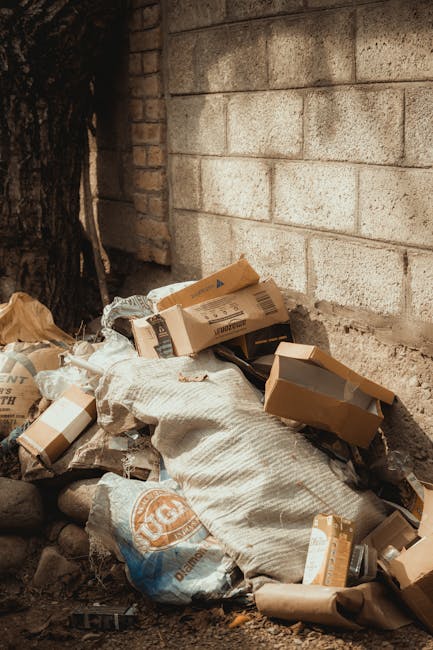
Camden Council rules for household rubbish in Kentish Town: a practical local guide
If you live in Kentish Town, household rubbish can feel oddly complicated for something so ordinary. One week the bins are out early, the next there's a missed collection, and then there's that awkward question of what to do with a broken chair, old mattress, or a pile of cardboard after a big clear-out. Camden Council rules for household rubbish in Kentish Town are designed to keep streets cleaner, collections safer, and recycling levels higher, but the details matter. A lot.
This guide breaks everything down in plain English. You'll find out how the system works, what usually goes wrong, which habits make life easier, and how to avoid the kind of mistakes that lead to overflowing bags on the pavement. Truth be told, it's not glamorous, but getting rubbish right saves time, reduces stress, and helps your street stay decent-looking on a wet Tuesday morning when nobody wants to deal with a stray bin bag.
Along the way, we'll also point out where a larger household clear-out may call for a more specialist approach, including guidance on service standards and sustainability. If you want to know more about how we handle waste responsibly, you can also look at our recycling and sustainability approach and our health and safety policy.
Table of Contents
- Why Camden Council rules for household rubbish in Kentish Town Matters
- How Camden Council rules for household rubbish in Kentish Town Works
- Key Benefits and Practical Advantages
- Who This Is For and When It Makes Sense
- Step-by-Step Guidance
- Expert Tips for Better Results
- Common Mistakes to Avoid
- Tools, Resources and Recommendations
- Law, Compliance, Standards, or Best Practice
- Options, Methods, or Comparison Table
- Case Study or Real-World Example
- Practical Checklist
- Conclusion
- Frequently Asked Questions
Why Camden Council rules for household rubbish in Kentish Town Matters
At street level, rubbish rules are about much more than putting bags outside on the right day. They affect how clean a road feels, how easy it is for collections to happen, and whether recyclable material gets mixed up with general waste. In a busy area like Kentish Town, where terraces, flats, shared entrances, and narrow pavements are part of everyday life, a small mistake can become everyone's problem very quickly.
There's also a practical side. If your waste is left in the wrong place, in the wrong container, or at the wrong time, it can be missed by collection crews or attract fines and complaints. Nobody wants that. And if you're managing a house share or helping a relative clear a property, the difference between "simple waste" and "awkward waste" becomes very obvious, very fast.
The key thing to remember is that local rubbish rules are not just for perfectionists. They are a shared set of habits that make neighbourhood life work. A tidy bin system helps with pests, odours, pavement access, and the general feel of a street. It also gives you a clearer plan when you're trying to sort out weekly rubbish, recycling, food waste, bulky items, or a one-off declutter.
Expert summary: If you live in Kentish Town, the smartest approach is to treat household waste as a routine, not a last-minute chore. Small habits, done consistently, usually prevent most collection problems.
How Camden Council rules for household rubbish in Kentish Town Works
Most household waste systems in Camden follow a simple logic: separate what can be recycled, keep food waste distinct where required, and put general rubbish out in the right container at the right time. In practice, that means paying attention to what type of bin or sack your property uses, how your building stores waste, and what collection arrangements apply to your street or block.
For many homes, the big questions are:
- Which waste goes into the general rubbish bin?
- What should be separated for recycling?
- Where do food scraps go?
- When should bins be put out and brought back in?
- What happens with bulky household items that will not fit in normal collections?
That last point catches people out most often. A bin bag full of everyday waste is one thing. A dismantled wardrobe, old carpet offcuts, garden bags, or several sacks from a house clear-out is a different job altogether. Let's face it, a sofa does not become "general rubbish" just because it is awkward.
If you are arranging a larger clear-out, it helps to choose a provider that explains costs clearly and handles disposal properly. Our pricing and quotes information is designed to make that part much easier to understand.
There is also the practical matter of access. In Kentish Town, bins may need to be moved through narrow hallways, shared courtyards, side entrances, or basement steps. That is one reason why safety, insurance, and careful handling matter, especially in older properties where the layout can be a bit of a fiddle.
Key Benefits and Practical Advantages
Following the local rubbish rules properly does more than avoid hassle. It makes daily life smoother, especially in mixed housing where several households share space or where collection points are tight.
Cleaner streets and less mess
When rubbish is bagged and presented correctly, there is less chance of spills, torn bags, or wind-blown litter. On a blustery evening, that matters more than people expect. One loose bag can become half the street's problem by breakfast.
Fewer missed collections
Collections are easier when waste is separated correctly and put out in the right way. That means fewer "we thought it was taken" moments and fewer emergency reshuffles outside the front door.
Better recycling outcomes
Clear sorting helps more material go where it should. Mixed waste is harder to process and more likely to end up as rubbish. Recycling is not always exciting, but it is one of those small civic wins that quietly adds up.
Less stress in shared households
Shared houses and flats often run on invisible rules: who takes the bins out, who replaces liners, and who deals with the cardboard mountain after a delivery. A simple system makes those jobs less irritating. Not painless. Just less irritating.
Safer handling of bulky or awkward items
When larger items are identified early, they can be removed in the right way rather than crammed into unsuitable bins. That reduces lifting risks and keeps communal areas clear.
Who This Is For and When It Makes Sense
This guide is useful for a surprisingly wide range of people. If you have ever stood in a kitchen with a bag in one hand and a recycling box in the other, wondering if something counts as food waste or general rubbish, you are exactly the kind of reader this is for.
- Homeowners trying to keep up with weekly waste and occasional clear-outs
- Tenants who want to avoid complaints in a shared building
- Landlords and managing agents keeping communal areas tidy
- Families dealing with more packaging, nappies, or food waste than usual
- Older residents or carers who need a simpler, safer process
- Anyone preparing for a move, renovation, or probate clearance
It also makes sense if you live in a property where rubbish storage is awkward. Many Kentish Town homes do not have generous front gardens or large bin stores, so presentation and timing matter. If you have ever tried to shuffle bins through a narrow side passage without banging the wall, you'll know the feeling. Mildly chaotic, at best.
For people dealing with a bigger amount of unwanted items, a domestic waste rule guide is helpful but not always enough. If the job goes beyond normal household rubbish, you may need a clear plan, a safe removal process, and a company that is transparent about what happens to collected items. You can read more about our approach on the about us page and our insurance and safety information.
Step-by-Step Guidance
If you want a simple way to stay on the right side of household rubbish rules, use this process. It works whether you live alone, in a flat share, or in a larger family home.
- Check your bin setup. Make sure you know which containers your property uses for general rubbish, recycling, and any food waste collection.
- Sort waste before bagging it. Separate recyclable items, food scraps, and anything that is reusable or bulky.
- Keep bags closed and manageable. Overfilled bags split more easily, especially when lifted down stairs or across pavements.
- Place bins out at the right time. Avoid leaving waste outside too early, where it can obstruct the pavement or be rummaged through.
- Bring containers back in promptly. This is a small thing, but it helps keep entrances tidy and reduces clutter.
- Deal with bulky items separately. Furniture, mattresses, and renovation waste usually need special handling, not a normal bin.
- Review what keeps going wrong. If bins are often missed or contaminated, look at the pattern rather than the single incident.
A useful rule of thumb: if it feels too large, too heavy, too sharp, or too messy for a regular collection, pause and reassess. That little pause saves trouble.
A quick example
Say you have just moved a tenant out of a two-bed flat in Kentish Town. There are bin bags, broken shelving, kitchen packaging, old bedding, and a damp corner cupboard that smells a bit musty. The sensible move is to sort the normal rubbish into the regular collection stream, separate recyclable packaging, and identify the awkward pieces early. Do not leave the bulky stuff until the last minute. That is how jobs stretch into two days and everybody gets grumpy.
Expert Tips for Better Results
Once you know the basics, the real gains come from small refinements. These are the habits that make waste management easier in the long run.
Use a fixed "sort spot" in the home
A small area near the kitchen or utility space for sorting recycling, soft plastics, and general rubbish can stop cross-contamination before it starts. It does not need to be fancy. A corner, a crate, and a bit of discipline will do.
Flatten cardboard properly
Cardboard is one of the easiest materials to manage badly. Flatten it fully, keep it dry if possible, and avoid stuffing boxes inside other mixed waste bags.
Don't overpack bags
It is tempting to squeeze one more thing in. Resist. Overpacked bags split and make a mess during handling, particularly on stairs or in shared bins.
Think ahead before a clear-out
If you are about to declutter a loft, cupboard, or spare room, gather items in categories first: keep, donate, recycle, and dispose. Even if a donate pile ends up smaller than expected, the act of sorting makes the waste stream easier to handle.
Be considerate in shared buildings
If you live in a block, remember that bin stores are shared spaces. Leave lids closed, stack nothing where it blocks access, and avoid leaving items beside bins unless your building specifically allows it.
There is a bit of neighbourly common sense here. The rules matter, yes, but so does not making life harder for everyone else. Simple as that.
For people who want to understand our working standards, our health and safety policy and recycling and sustainability page explain the principles we work to every day.
Common Mistakes to Avoid
Most waste problems in Kentish Town are not dramatic. They are small errors repeated often. The good news? They are very avoidable.
- Mixing recyclables with general rubbish. This is one of the most common issues and one of the easiest to fix.
- Leaving bins out too early or too late. Timing matters more than many people think.
- Using the wrong container for the property. Shared buildings can be especially confusing if people copy what they see next door.
- Overfilling bags and boxes. If the lid won't close, that is usually a warning sign.
- Putting out bulky items as if they were normal waste. That rarely ends well.
- Ignoring building-specific instructions. Some blocks have their own arrangements that sit alongside council expectations.
- Forgetting to remove packaging from deliveries. This is a sneaky one. A few deliveries later, and suddenly there's a cardboard drift happening in the hallway.
A lot of trouble comes from thinking "it'll be fine this once." Usually, it isn't. Not a disaster, just inconvenient. And inconvenience loves repeating itself.
Tools, Resources and Recommendations
You do not need expensive equipment to manage household rubbish well. A few practical tools are enough for most homes.
- Durable bin bags: useful for general rubbish, especially when bags need carrying downstairs or outside.
- Sorting boxes or crates: a simple way to separate recycling from general waste in the kitchen.
- Labelled containers: helpful in shared homes where people may not know the system.
- Gloves: sensible for handling dusty loft items, broken packaging, or older rubbish stores.
- Hand trolley or sack truck: useful if you are moving heavier items within a property or out to collection points.
For households that need more than routine bin management, it is worth comparing how removal is handled, what is included, and how disposal is documented. That is where a reputable operator stands apart from a rushed one. If you want to understand the practical side of arranging a job, take a look at our contact us page for a simple next step, or review our terms and conditions so you know what to expect.
And yes, the boring stuff matters. Security, payment clarity, and proper handling of your property all count. You can also review our payment and security information if you want that reassurance before booking anything.
Law, Compliance, Standards, or Best Practice
Household rubbish is not just a matter of convenience; it sits within a broader framework of local rules, responsible disposal, and property management obligations. While this article avoids quoting exact legal thresholds or council instructions that can change, the general best practice is consistent: separate waste properly, present it correctly, and dispose of larger items in a lawful and traceable way.
For residents and landlords alike, that means being careful about three things:
- Placement: rubbish should not obstruct pavements, entrances, or shared access routes.
- Segregation: recycling and general waste should not be mixed where separate collection is expected.
- Safety: sharp, heavy, dirty, or unstable items should be handled with proper care.
If you are responsible for a property, especially a rented one, the standard of waste management reflects directly on the building. In practice, decent waste habits reduce complaints, avoid unpleasant smells, and make inspections less stressful. Camden Council rules for household rubbish in Kentish Town are, at heart, part of basic good stewardship.
When in doubt, it is better to check than guess. That sounds obvious, but people do not always do it until they are already standing beside a pile of black bags at 8 a.m., muttering under their breath. We've all been there, or close enough.
Options, Methods, or Comparison Table
Different waste situations call for different methods. Here is a simple comparison to help you decide what makes sense.
| Method | Best for | Strengths | Limitations |
|---|---|---|---|
| Routine council-style household disposal | Weekly rubbish and recycling | Simple, familiar, low effort | Not suitable for large or awkward items |
| Manual decluttering and staged sorting | Spring cleans, room clear-outs, moving home | Good control over what stays and goes | Time-consuming if the volume is high |
| Specialist household clearance | Bulky furniture, mixed contents, probate, end-of-tenancy jobs | Fast, safe, and practical for larger loads | Needs upfront planning and clear pricing |
The main lesson is simple: do not try to force one method to do another job. Weekly bins are great for routine waste. They are not magic. Once the amount or type of material changes, so should the method.
Case Study or Real-World Example
Consider a typical Kentish Town flat with two adults, one child, and a steady stream of deliveries. For months, rubbish is managed more or less fine. Then December arrives, there are food packaging leftovers, a broken highchair, extra cardboard, and an old storage unit from the bedroom. Suddenly the bin area looks chaotic by midweek.
What changed? Not the council rules, really. The household pattern changed. The fix was not to pile everything higher and hope for the best. Instead, the family sorted out the recyclables, broke down the cardboard, bagged general waste properly, and arranged separate removal for the bulky item. The hallway stopped looking like a storage bay. Everyone breathed easier. Small victory, but a real one.
That's the kind of scenario we see often. A job feels messy until the waste is separated into the right streams. Once that happens, it becomes much more manageable. Not effortless. Just manageable.
Practical Checklist
Use this checklist before collection day or before you start a clear-out.
- Check which bin or bag each type of waste should go into
- Separate recycling from general rubbish before everything gets bundled together
- Flatten cardboard and keep it dry if possible
- Make sure bin lids can close properly
- Keep food waste out of general refuse where a separate system exists
- Identify bulky, sharp, or heavy items early
- Do not leave rubbish in shared access areas
- Bring bins back in after collection
- Store bags safely if collection is delayed
- Ask for help if the volume is too much for a normal routine collection
If you want a quick reminder of the kinds of standards and practical expectations behind safe waste handling, our insurance and safety page is a useful place to start.
Conclusion
Camden Council rules for household rubbish in Kentish Town are not there to make life awkward. They exist to keep collections running smoothly, protect shared spaces, and make sure waste is handled in a way that works for a busy London neighbourhood. Once you understand the basics, the whole thing becomes much easier to manage.
The real secret is consistency. Sort early, bag properly, keep an eye on what belongs in each stream, and do not leave bulky items to become an emergency. That approach saves time, reduces mess, and makes shared living far less tense. In a place like Kentish Town, where homes and routines vary so much, a bit of order goes a long way.
If your situation is bigger than ordinary bin day, or you simply want a practical, stress-free solution, it may be worth speaking with a team that handles removal carefully and responsibly. Get a free quote today and see how much you can save.
And if you want reassurance about how we work, our complaints procedure and privacy policy are there for transparency too. That kind of clarity matters. It really does.
Frequently Asked Questions
What are the basic Camden Council rules for household rubbish in Kentish Town?
The basics are usually about separating general waste from recycling, putting rubbish out in the correct containers, and presenting it at the right time for collection. The exact setup depends on the property and local collection arrangements.
Can I leave extra bin bags beside the bin if it is full?
Usually that is not a good idea unless your local collection arrangement specifically allows it. Extra bags can attract pests, cause mess, and may be missed. If your household is consistently overflowing, you likely need a different waste plan.
What should I do with bulky items like furniture or mattresses?
Bulky items normally need separate handling rather than a regular bin collection. The safest approach is to identify them early and arrange a suitable removal method instead of trying to squeeze them into normal waste streams.
How do I know if something belongs in recycling or general rubbish?
A useful rule is to separate clean recyclable packaging from contaminated or mixed waste. If an item is dirty, broken beyond recycling value, or made from several bonded materials, it may need to go into general rubbish unless local guidance says otherwise.
What happens if rubbish is put out on the wrong day?
It may be missed, left in place, or become a nuisance on the pavement. In shared areas, it can also lead to complaints from neighbours or building managers. A wrong-day mistake is common, but repeated errors create bigger problems.
Is food waste treated differently from other household rubbish?
In many household systems, yes. Food waste is often kept separate where a dedicated collection exists. Keeping it apart can reduce odour and improve recycling or processing outcomes. If your property uses a separate food waste system, use it consistently.
Do tenants or landlords need to think differently about rubbish rules?
Yes, a little. Tenants should follow the building's waste arrangements, while landlords and managing agents should make sure those arrangements are clear and workable. In practice, good instructions prevent most disputes before they start.
What is the most common rubbish mistake in Kentish Town homes?
One of the biggest issues is mixing recyclable material into general waste, especially after deliveries, takeaways, or a small clear-out. Another common problem is overfilling bags so they split during handling.
How can I reduce waste problems in a shared flat?
Use labelled containers, agree who takes bins out, flatten packaging immediately, and keep the bin store tidy. It sounds simple because it is simple. The hard part is sticking to it.
When should I consider a professional house clearance instead of normal rubbish disposal?
If you have bulky furniture, a large quantity of mixed items, awkward access, or a deadline such as a move or end of tenancy, a professional clearance is often the better option. It is safer, quicker, and usually less stressful than trying to do everything through routine bins.
Where can I find more information about your services and policies?
You can explore our about us, recycling and sustainability, and terms and conditions pages for more detail on how we operate.